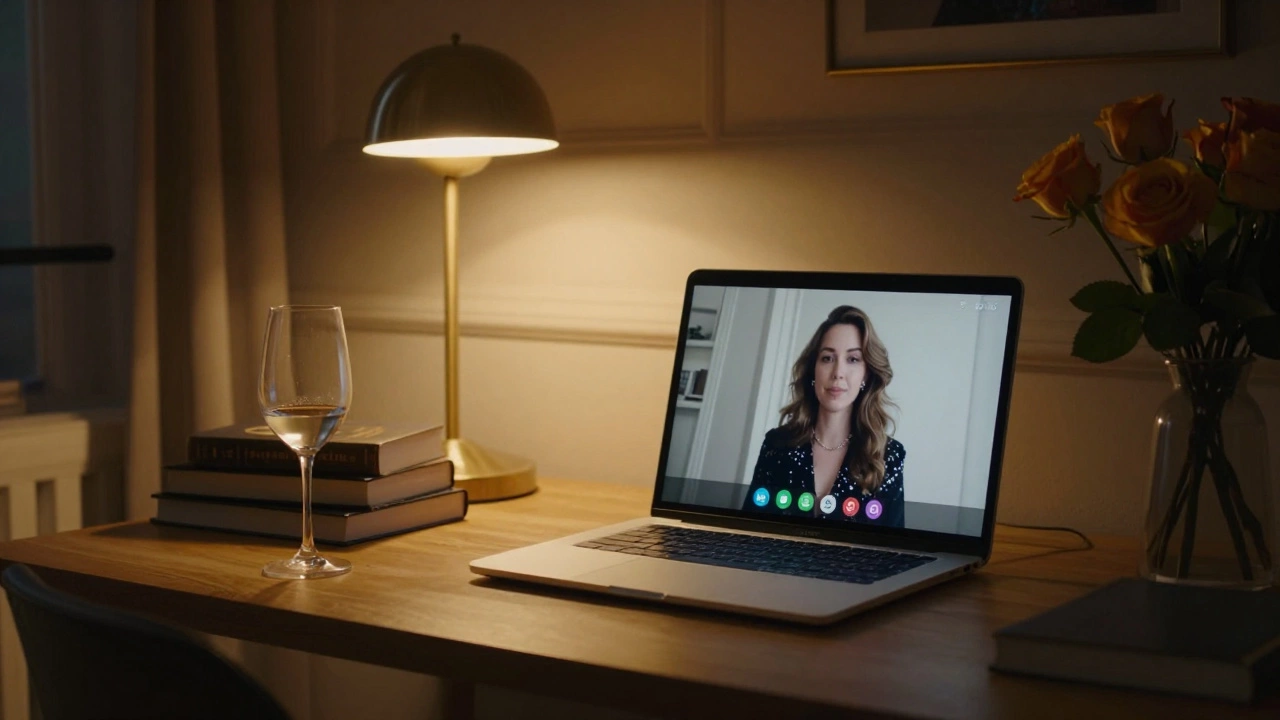
The escort industry didn’t vanish after COVID-19-it changed. What used to be a quiet, discreet service in cities like Paris became a high-stakes experiment in survival. Social distancing, lockdowns, and shifting public attitudes forced businesses to adapt or disappear. Some did. Others found new ways to operate. Today, the market looks different: less street-based, more digital, and more selective. If you’re wondering what happened to the people who once worked in places like euro escort girl paris, the answer isn’t simple. It’s layered with economics, technology, and human resilience.
Before the pandemic, escort services in Paris thrived on foot traffic, hotel bookings, and in-person meetups. The 8th arrondissement, known for its luxury boutiques and high-end hotels, was a hotspot for clients seeking companionship. Services like escort paris 8 and escort vip paris were marketed through word-of-mouth, private websites, and discreet agencies. Clients valued privacy, discretion, and consistency. Workers often built long-term relationships with repeat clients. That model didn’t survive the lockdowns. With borders closed and international travel halted, the flow of foreign clients dried up overnight. Many workers, especially those relying on tourists, had to leave the city or switch careers.
How Did Workers Survive?
Those who stayed didn’t just wait for things to go back to normal. They pivoted. Many moved their services online. Video calls, subscription-based content platforms, and private messaging apps became the new front door. Some workers created Patreon pages or used OnlyFans to offer personalized interactions without physical contact. Others partnered with private event planners to offer companionship at upscale dinners, gallery openings, or business networking events-still discreet, but now framed as "professional hosting" or "personal concierge" services.
Legal gray areas didn’t disappear, but enforcement shifted. In France, prostitution itself isn’t illegal, but soliciting in public and running brothels are. After 2020, police focused less on street-based workers and more on unlicensed agencies. That pushed many operators underground or into tighter, more trusted networks. The result? Fewer people in the industry, but higher earnings for those who remained. A worker in escort vip paris today might make three times what they did in 2019-not because demand is higher, but because supply is lower and clients are willing to pay for reliability.
The Rise of the Digital Broker
The old agency model-where a manager took 40% of earnings and handled scheduling-collapsed. In its place came digital brokers: independent contractors who used Instagram, Telegram, and encrypted apps to connect clients with workers. These brokers didn’t own property or employ staff. They curated profiles, verified identities, handled payments via crypto or digital wallets, and managed reviews. The most successful ones built reputations like influencers. Trust became the currency.
Workers no longer needed to be in Paris to serve Paris. Some worked from Lyon, Marseille, or even rural areas in southern France, offering virtual services to clients who preferred anonymity. Others relocated entirely-some moved to Eastern Europe, where operating costs were lower and legal risks less severe. The industry became more fragmented, but also more resilient.

Who’s Still Using These Services?
Contrary to assumptions, demand didn’t drop. It just changed shape. The biggest clients now aren’t tourists-they’re local professionals. Lawyers, tech executives, and entrepreneurs who worked from home during lockdowns discovered they missed human connection. Not sex, not romance-just presence. Someone to talk to over coffee, to accompany to a concert, to sit quietly beside during a business dinner. The service became less about physical intimacy and more about emotional comfort.
Studies from the University of Paris in 2023 found that 68% of clients who returned after 2021 cited loneliness as their primary reason for seeking companionship. Only 12% mentioned sexual intent. The shift was subtle but profound. The industry moved from transactional to relational. Workers who could offer conversation, cultural knowledge, or emotional intelligence became the most sought-after. That’s why terms like euro escort girl paris now carry more weight than ever-they imply not just appearance, but sophistication, language skills, and social grace.

What About Safety and Regulation?
Safety improved in some ways and worsened in others. With less street activity, violence from clients dropped. But digital exploitation rose. Fake profiles, blackmail schemes, and payment scams became common. Workers who didn’t use verified platforms or encrypted communication found themselves vulnerable. Some organizations formed peer networks to share red flags and warn others. A few even created safety check-in apps where workers could signal if they felt unsafe during a meeting.
The French government didn’t pass new laws, but local authorities in Paris began cracking down harder on unlicensed agencies. In 2024, three major operators in the 8th arrondissement were fined for operating without proper business registration. That pushed the industry further toward individual operators and away from centralized models. The result? A quieter, more professional, but less visible scene.
Is This the New Normal?
Yes-and it’s probably here to stay. The escort industry won’t return to its pre-pandemic form. Too many people learned to work remotely, to value privacy, and to avoid crowded spaces. Clients learned they don’t need to travel to Paris to find quality companionship. Workers learned they don’t need to risk their safety for a few hundred euros.
What’s left is a leaner, smarter, more selective market. The workers who thrive now are those who treat their work like a boutique service-not a commodity. They build personal brands. They invest in language skills, cultural awareness, and emotional intelligence. They don’t just show up. They show up prepared.
And while the street corners of Paris may be quieter, the demand for genuine connection hasn’t gone away. It just moved indoors, online, and into the hands of people who know how to listen.